
Protecting Fuel Drivers and Priority Calls During Winter Weather Spikes
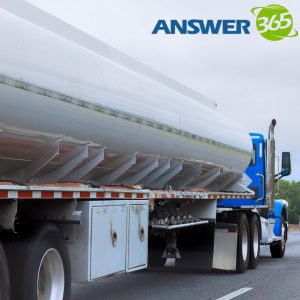
The High Cost of the Midnight False Alarm
For home heating oil providers and fuel delivery operators, on-call duty during a winter freeze is a high-stakes balancing act. When an off-duty driver is repeatedly woken up at 3:00 AM for non-urgent account questions, the operational damage builds up fast:
- Compromised Fleet Safety: Driving a heavy fuel tanker over treacherous winter roads requires total alertness. Interrupted sleep cycles directly increase safety risks on the highway.
- Wasted Overtime Capital: Paying premium emergency call-out rates for routine billing questions drains your seasonal margins.
- Driver Turnover: Experienced delivery drivers leave companies where “on-call duty” means answering administrative phone calls all night long.
When homeowners face a freezing house, hitting them with a cold automated phone tree or a generic voicemail box makes a bad situation worse. Statistics consistently show that roughly 80% of callers hang up when greeted by an automated attendant—and during a severe cold snap, a frustrated customer will simply hang up and call your local competitor. They need a calm, empathetic human voice on the line immediately. However, that voice shouldn’t have to belong to your tired delivery driver.
Custom Dispatch Protocols: Separating True Dry-Outs from Morning Admin
Our specialized petroleum industry call center services bridge the gap between panicked homeowners and your hard-working delivery fleet. Operating out of our storm-hardened facility in Halifax, Nova Scotia, our team knows severe winter weather inside and out. We bring genuine East Coast warmth and practical problem-solving to every call, reassuring your customers while filtering your incoming traffic with total precision.
Instead of forwarding raw after-hours phone lines directly to your drivers, we route your call volume through a custom dispatch protocol designed around your business rules:
- Active Data Gathering
Our agents greet callers in your brand’s name and ask targeted, structured questions right away: Is the furnace currently running? What does the tank gauge read? Are there vulnerable family members, infants, or immediate risks of freezing pipes in the home?
2. Protocol-Driven Driver Escalation
If the call represents a true dry-out or heating failure, we execute your exact escalation chain—calling your primary on-call driver, sending full incident details, and cascading to backup personnel if we do not receive an active confirmation within 15 minutes.
3. Queueing Non-Urgent Traffic
If the caller is asking about an account balance, requesting a routine fill-up for a tank that is still half full, or looking for a price quote, our agents capture all details accurately. We reassure the customer that their message is logged and queue it directly for your office staff to handle first thing in the morning.
Rested Drivers, Safe Roads, and Satisfied Homeowners
Protecting your driver roster during peak heating season isn’t just about convenience—it is about long-term business resilience. When your drivers know that a 2:00 AM phone chime means a real customer faces a genuine heating emergency, they respond with focus, purpose, and energy.
Simultaneously, your customers receive instant, compassionate attention from a live professional who reassures them that their home is in good hands. You maintain a stellar reputation in your community without burning out your workforce.
While Answer 365 manages 24/7 call intake, screening, and dispatch coordination rather than performing physical fuel deliveries, our role as your central communication hub guarantees that your fleet operates at peak efficiency all winter long.
Prepare Your After-Hours Dispatch Before the Freeze
Don’t wait for the first major winter storm to test your team’s limits. Chat with our petroleum dispatch team at Answer 365 today to set up custom call handling protocols that protect your drivers, lower your overtime costs, and keep your customers warm all winter long.