
Beyond the Alarm Button: Why Live Audio Communication Matters in Elevator Entrapments
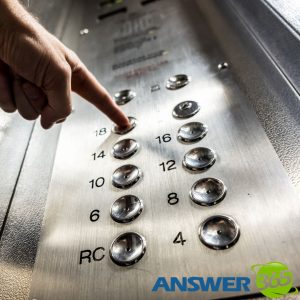
Pressing an elevator’s emergency button during a sudden mechanical failure is an inherently stressful experience. The cab jolts to a halt, the doors remain sealed, and the space suddenly feels very small. In that moment, the worst thing a trapped passenger can hear is a pre-recorded automated loop, a series of harsh digital beeps, or total silence.
When fear takes over, an automated machine simply cannot de-escalate anxiety. In standard customer service calls, roughly 80% of people hang up when hit with a cold automated attendant. In a enclosed elevator cab, passengers can’t hang up—they panic.
At Answer 365, we act as a vital lifeline when an elevator stops moving. Our specialized team provides dedicated call handling and dispatch coordination that turns a high-stress cab entrapment into a calm, structured, and compliant resolution.
Staying Compliant with CAN/CSA-B44 Safety Standards
For facility managers, building owners, and property managers, elevator safety isn’t just about tenant comfort—it is a strict legal responsibility. Canadian building codes dictate exact communication requirements for elevator emergency systems to ensure passenger safety and reduce property liability.
Our emergency elevator monitoring solutions are built directly around CAN/CSA-B44 safety standards and provincial elevator codes across Canada.
These regulatory frameworks require reliable, two-way voice communication that allows trapped occupants to reach trained personnel 24/7/365. Simply routing an emergency cab phone to an unanswered office desk or an unmonitored voicemail box leaves building owners exposed to severe regulatory fines and legal liability.
By pairing compliant monitoring technology with live human operators, we ensure your properties satisfy strict safety audits while giving your tenants the protection they deserve.
De-escalating Panic Through Continuous Human Contact
While Answer 365 does not perform the physical, on-site mechanical rescue or cab extraction, our team serves as the critical communication anchor from the second the alarm button is pressed until the technician opens the doors.
When an entrapment signal reaches our command center, our agents instantly establish a crystal-clear, two-way audio line directly into the cab. Our approach centers on three crucial operational steps:
1. Immediate Human Reassurance
Our agents greet the cab occupants immediately with a calm, confident voice. Knowing a real person is on the line and actively working on their rescue instantly lowers heart rates and prevents passengers from attempting dangerous self-rescue efforts.
2. Situational Data Gathering
We quickly gather essential details: How many passengers are in the cab? Is the lighting and ventilation working? Is anyone experiencing medical distress or severe anxiety? This information is logged in real time.
3. Simultaneous Protocol Execution
While one agent maintains audio contact with the trapped occupants to keep them informed, our dispatch system automatically alerts your designated elevator maintenance contractor, facility manager, or local emergency services based on your building’s exact escalation blueprint.
Passengers are never left wondering if help is on the way. We provide continuous updates, letting them know when the technician has been dispatched and their estimated arrival time.
Protecting Your Tenants and Your Building’s Reputation
A single mishandled elevator entrapment can damage a property management firm’s reputation, alienate commercial tenants, and result in costly code violations. Partnering with a specialized monitoring team ensures that when mechanical glitches happen, your building responds with absolute professionalism, empathy, and speed.
Upgrade Your Elevator Compliance Today
Don’t wait for a cab failure to discover gaps in your building’s emergency response plan. Talk with our specialized monitoring team at Answer 365 today to learn how easy it is to bring your property’s elevator cabs into full alignment with CSA-B44 safety standards.